Leads and Secondary Leads at First
Foundation · Free lesson
about 40–50 minutes
Base running Lesson 2: Leads and Secondary Leads at First
Free preview
Level: Foundation (HS and up) · Time: about 40–50 minutes · Need: a base, a partner as pitcher or catcher, cones or tape to mark lead distance
Goal: Take a safe primary lead and an aggressive secondary lead from first base.
Why it matters: Every extra foot of lead is less distance to second. A good primary lead keeps you safe on pickoffs, and a strong secondary lead lets you take an extra base on hits, wild pitches and passed balls.
1. Watch first (about 14 min total)
| Video | Channel | Length | Why we chose it | |
|---|---|---|---|---|
| [How to Take a Lead at 1st Base \ | 2 Absolutes EVERY baseball player needs to know](https://www.youtube.com/watch?v=FPi9ITSvmE8) | Pro Baseball Insider | 6:05 | Two things every player must do when leading off first, from pro instructors. |
| Great Baserunners Take Their Primary Leads Like THIS! | Figure It Out Baseball | 4:53 | How great base runners take their primary lead. | |
| Here's How To Take Your Secondary Lead Like An ELITE Baserunner | Figure It Out Baseball | 2:43 | Secondary leads like an elite base runner. |
2. Do this: drills, sets and reps
| Drill | How | Sets × reps | Cue |
|---|---|---|---|
| A. Primary lead set | Step off with the left foot first (no crossing feet). Get to your lead distance (about one step and a dive back), athletic stance. | 3 × 6 reps | “Eyes on the pitcher the whole time.” |
| B. Secondary shuffle reps | As the pitcher delivers, shuffle twice toward second and land on your right foot as the ball crosses the plate. | 3 × 6 reps | “Two shuffles, land as the ball hits the zone.” |
| C. Dive-back drill | Partner throws over. Cross over and dive back to the outfield side of the bag (or step back on a slow move). | 2 × 6 reps | “Low, fast, to the back corner.” |
| D. Read-the-catcher reps | After the secondary, read the catcher: block, ball in the dirt, or throw-behind. React. | 2 × 8 reps | “Read, then go or get back.” |
3. Common mistakes and fixes
| Mistake | What you see | Fix |
|---|---|---|
| Crossing the feet | Off balance on a pickoff | Shuffle step out, no crossovers. |
| Too big a lead | Picked off | Mark a safe lead with tape and build from there. |
| Flat-footed secondary | No jump on balls in the dirt | Land on your right foot ready to go. |
| Eyes off the pitcher | Slow reaction to pickoffs | Watch the pitcher until the ball is delivered. |
4. How to measure progress
- Lead distance: Measure your safe lead (feet). Goal: add one step without getting picked off in practice.
- Secondary timing: Film 5. Do you land as the ball reaches the plate? Goal: 4 of 5.
- Pickoff safe rate: Safe on pickoff throws out of 10. Goal: 10 of 10.
- Move on to Lesson 3 when: you hit all three goals.
5. At-home version
- Primary and secondary lead footwork in a yard with a towel as first base.
- Dive-back reps on grass.
- Watch MLB runners at first and copy their secondary timing.
Challenge: Add one step to your lead in practice without getting picked off.
Videos
 How to Take a Lead at 1st Base | 2 Absolutes EVERY baseball player needs to knowPro Baseball Insider · 6:05Two things every player must do when leading off first, from pro instructors.Watch on YouTube
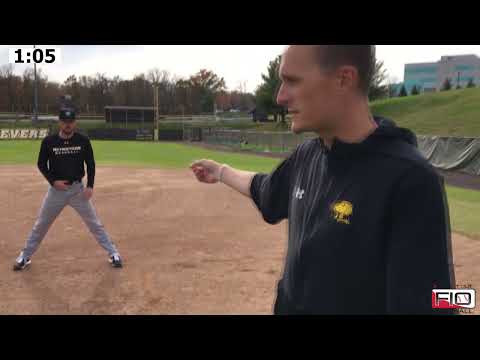 Great Baserunners Take Their Primary Leads Like THIS!Figure It Out Baseball · 4:53How great base runners take their primary lead.Watch on YouTube
 Here's How To Take Your Secondary Lead Like An ELITE BaserunnerFigure It Out Baseball · 2:43Secondary leads like an elite base runner.Watch on YouTube